A rock chip does not have to mean an expensive replacement. Most small chips, under an inch and away from the edge, can be repaired quickly and safely, often saving you hundreds of dollars and, in many cases, fully covered by your insurance. The key is catching it early, before a tiny blemish spreads into a crack that reaches across your windshield.
Hearing that sharp crack against your windshield while driving down I-10 is a sound every Houston driver dreads. It starts as a minor nuisance, but that tiny blemish is a ticking clock waiting to spiderweb across your field of vision. At A.B.A Auto Services, we know that deciding between a quick resin repair and a complete glass replacement is about more than just aesthetics; it is about maintaining the structural safety of your vehicle. Making the wrong choice can lead to a failed Texas state inspection or a compromised cabin during a collision. This guide provides the expert clarity you need to make an informed decision. We will examine the Quarter Rule, explain why chips near the edge are high risk, and discuss how the intense Gulf Coast heat accelerates glass damage. You will also learn about cost differences and how to navigate insurance coverage.
The Dilemma: Windshield Chip Repair vs Replacement
Navigating the daily commute on I-610 or Beltway 8 often comes with an unwelcome soundtrack; the sharp, metallic thwack of a stone hitting your windshield. For Houston drivers, this sound usually signals an immediate decision. You either address the damage now or wait for a Houston temperature spike to turn that small pit into a sprawling crack.
Understanding the distinction between windshield chip repair vs replacement is essential for your vehicle's safety. A repair is a targeted procedure where a technician injects clear, high strength resin into the damaged area to restore structural integrity and prevent the chip from spreading. In contrast, a replacement involves the complete removal of the glass unit and the adhesive seal, followed by the installation of a new windshield that meets original equipment standards.
At A.B.A AUTO SERVICES, located at 13311 Dunlap St Unit E, we specialize in performing expert auto glass work for the local community. We evaluate these impacts every day to determine if the glass can be saved or if the damage has compromised the safety of the vehicle. If you are unsure which path to take, you can contact our shop for a professional assessment. Making the right call early can save you hundreds of dollars while ensuring your car remains roadworthy for the long hauls across Harris County.
The Quarter Rule: When Size Dictates the Fix
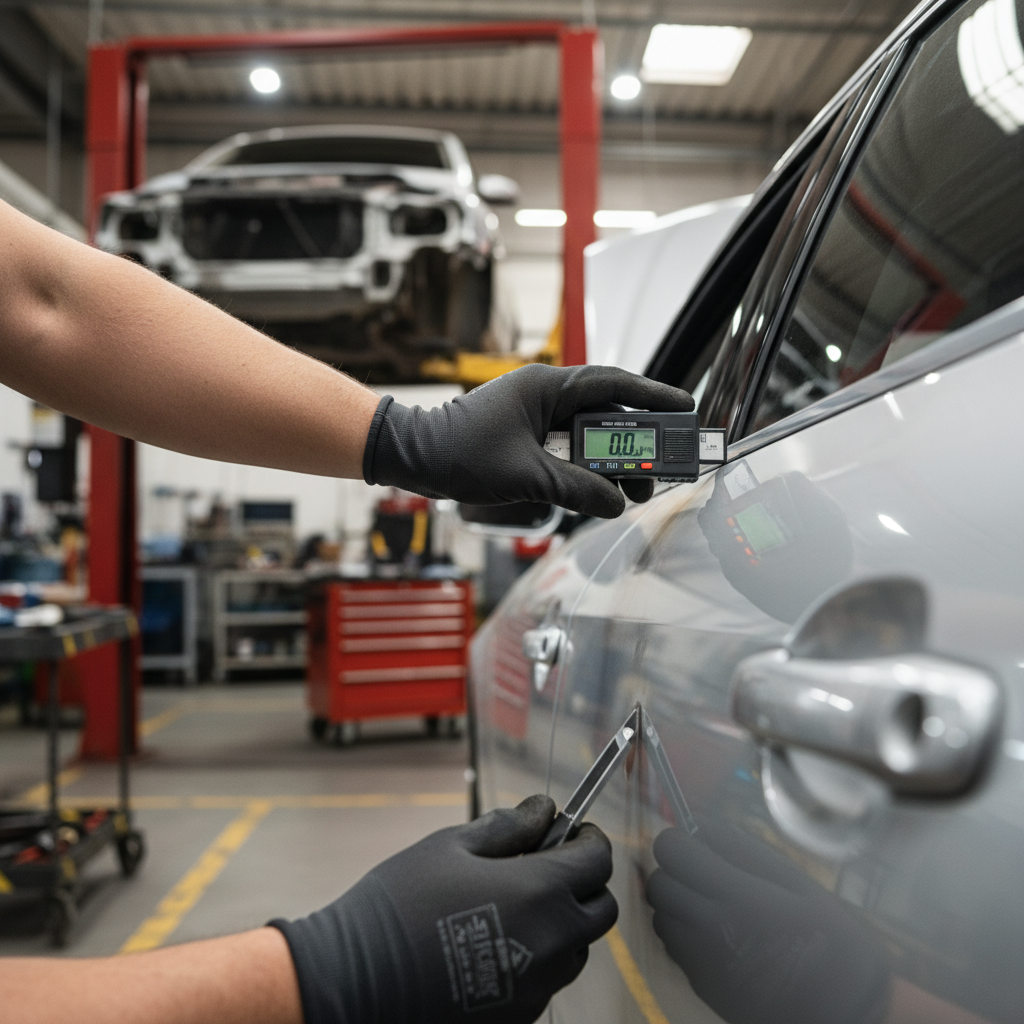
The industry standard for assessing windshield damage often boils down to a simple measurement known as the quarter rule. If the chip is smaller than a US quarter, roughly one inch in diameter, it is usually a prime candidate for a professional resin injection. At A.B.A AUTO SERVICES, we use this metric to help Houston drivers avoid the higher costs of a total glass swap whenever safety allows.
Once a crack exceeds six inches in length or a chip begins to spider, the damage typically requires a full replacement. Spidering occurs when small, hairline fractures radiate away from the impact point, creating a weak spot that can fail under the pressure of highway speeds or sudden bumps. While many national service providers often default to recommending a full replacement for even minor damage, our team focuses on finding the most cost effective safe option first. We understand that a rock chip repair in Houston is a fraction of the price of new glass; consequently, we only recommend a full replacement when the structural integrity of your windshield is genuinely compromised. By adhering to these strict size limits, we ensure your vehicle remains safe without forcing unnecessary expenses on our local community.
Understanding Chip Types: Bullseyes, Stars, and Half-Moons
While size is a primary factor, the geometry of the impact tells us exactly how the glass will behave under the stress of Houston traffic. We categorize most damage into three distinct patterns that help determine the success rate of a repair.
Chip Type | Physical Characteristics | Risk Level |
|---|---|---|
Bullseye | Clean, circular dark ring with a clear center | Low (Highly repairable) |
Half-Moon | Semi-circular shadow caused by an angled impact | Low (Stable) |
Star Break | Radial, hairline cracks branching from the center | High (Prone to spreading) |
A bullseye is typically the most straightforward fix. The impact creates a contained pocket that accepts resin easily, often restoring the glass to near-perfect clarity. A half-moon is similar but occurs when the debris hits at a slight angle. However, a star break requires immediate professional attention. The small "arms" of a star break are weak points in the glass; a single bump on a rough road can cause these fractures to spider across the entire windshield.
The most critical factor beyond the surface shape is the depth of the damage. Modern windshields consist of two layers of glass bonded by a plastic laminate interlayer. If an impact is severe enough to penetrate that inner plastic layer, the structural bond is permanently compromised. In these cases, a repair will not restore the necessary strength. When assessing windshield chip repair vs replacement, we inspect the depth of the pit carefully. If the rock has reached the laminate, we will recommend a full replacement to ensure your vehicle remains safe for the road.
Location Matters: Why the Edge is the Danger Zone
While size and shape provide a baseline for assessment, the physical location of the impact often serves as the final word in the windshield chip repair vs replacement decision. The perimeter of your windshield is under significantly more tension than the center; it is the primary point where the glass is bonded to the vehicle frame. Any chip or crack located within two inches of the edge creates a volatile weak point. Because this area absorbs the brunt of frame flex and road vibrations, a repair is unlikely to hold, and the glass will almost certainly fail under stress.
Furthermore, the driver's critical line of sight is a restricted zone for repairs. Professional resin injections are highly effective for restoring structural stability, but they are not always 100% invisible. Even a minor distortion or "ghosting" effect in the area directly above the steering wheel can impair visibility, especially during night driving or in heavy Houston rain. At A.B.A AUTO SERVICES, we prioritize safety by evaluating how an impact affects your field of vision. When damage occurs in these high risk zones, our expert auto glass work ensures your vehicle is restored to manufacturer safety standards, even if it means a full replacement is the only responsible option.
The Houston Heat Factor: How Temperature Affects Your Windshield
Houston’s climate presents a unique challenge for automotive glass. During our typical 90 plus degree days, the sun beats down on your windshield, causing the glass molecules to expand. If there is a small pit or star break, this expansion puts immense pressure on the surrounding area. The real danger, however, is thermal shock. When you enter a sweltering car and immediately blast the air conditioning to combat the high humidity, the rapid temperature drop causes the glass to contract at an uneven rate.
This sudden shift often forces a small chip to spontaneously sprout long cracks, effectively ending the debate of windshield chip repair vs replacement. Once the glass undergoes this structural failure, a simple resin injection is no longer an option. We strongly advise local drivers to seek a rock chip repair in Houston at the first sign of damage. Addressing the issue immediately at our Dunlap St shop prevents the Texas summer from turning a minor fix into a mandatory, expensive replacement. Taking action early ensures the glass remains stable before the heat makes the decision for you.
Will a Chipped Windshield Fail a Texas State Inspection?
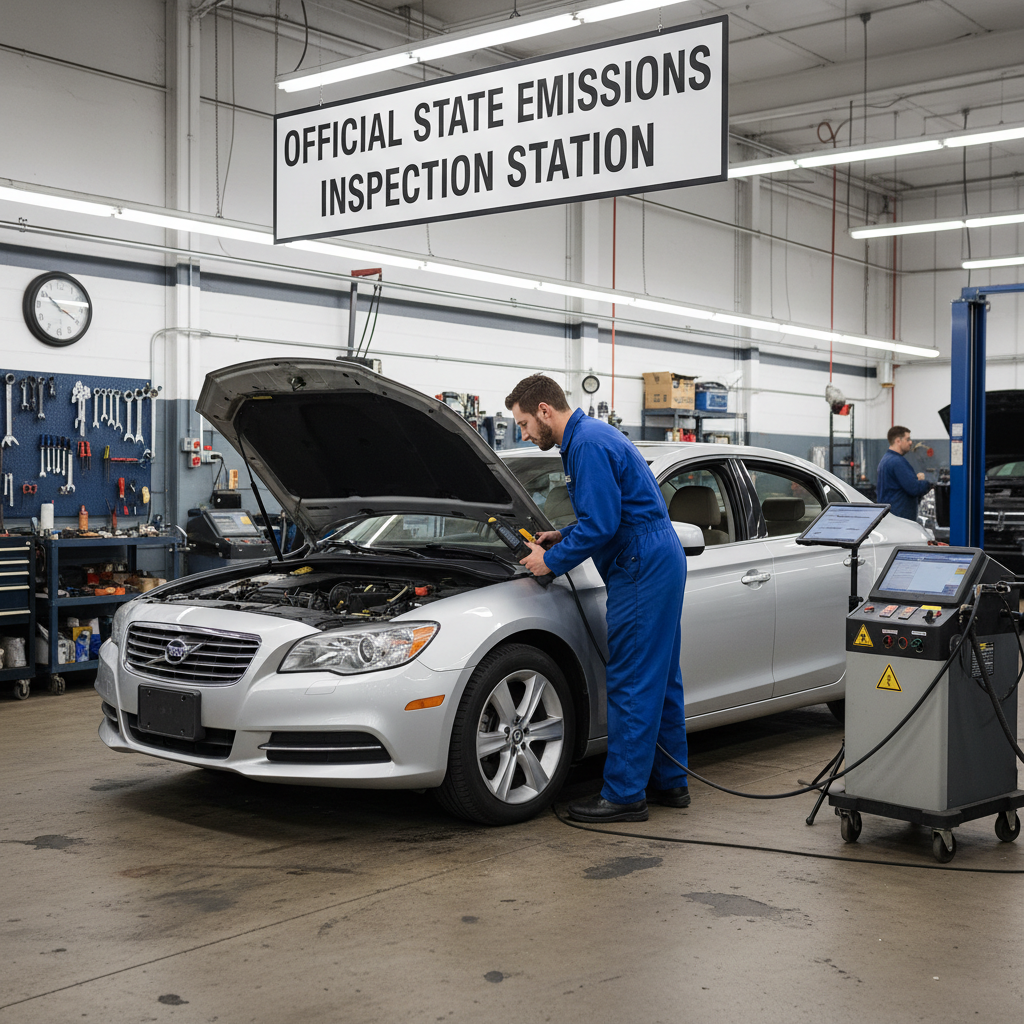
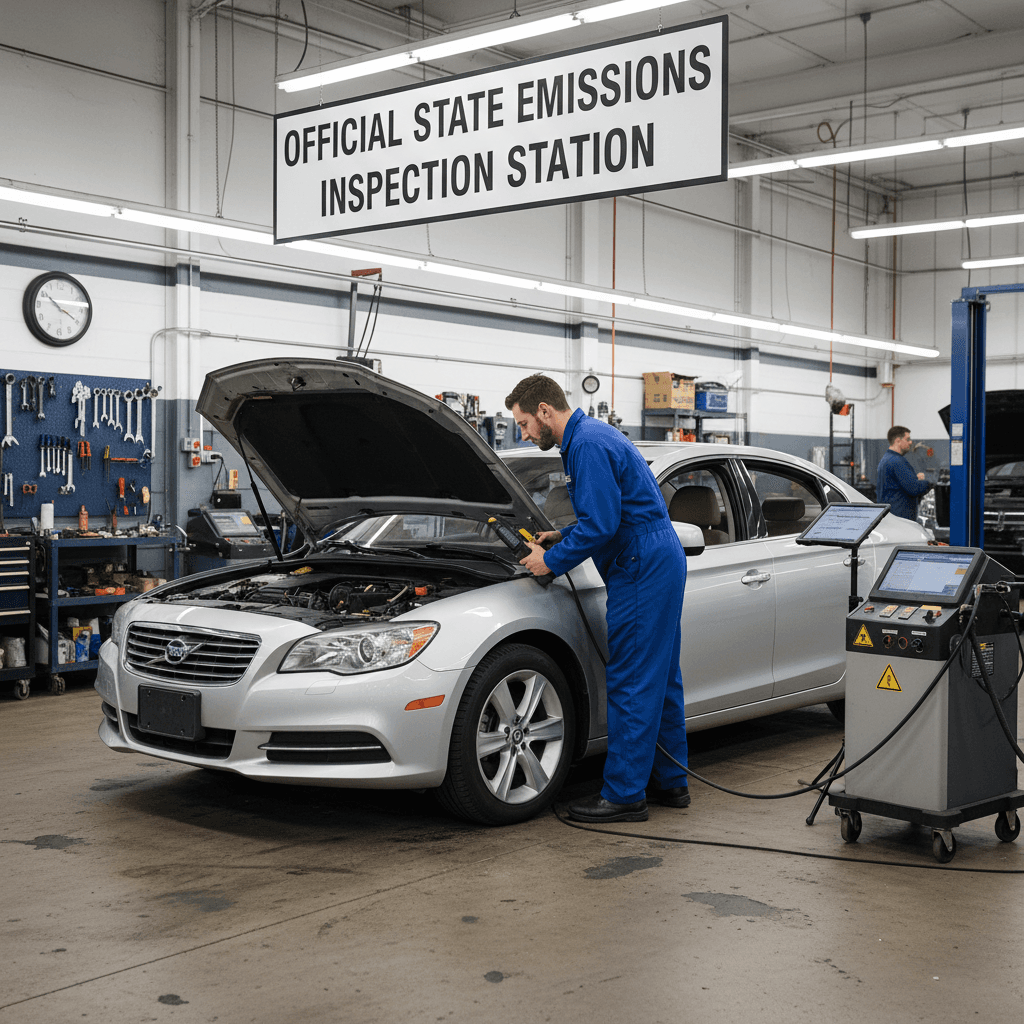
As an official Texas state inspection station, we frequently encounter vehicles with glass damage that could jeopardize their registration. Texas law does not explicitly ban driving with a cracked windshield, but the safety inspection manual sets clear boundaries. Your vehicle will fail the safety check if a chip or crack prevents the windshield wipers from clearing the glass effectively or if the damage is large enough to obstruct your view of the road. If the wipers snag on a star break or if a long crack runs through the driver’s line of sight, the inspector is required to fail the vehicle until the glass is addressed.
This is where the choice of windshield chip repair vs replacement becomes a regulatory matter. Small impacts that have not yet spread can often be solved with a quick rock chip repair in Houston before the inspection process begins. However, if the damage is severe or located in a critical zone, we may recommend a full replacement to ensure you pass. Since we offer both expert auto glass work and official inspections at our Dunlap St location, we can identify these legal issues and resolve them on the spot, saving you a return trip.
Cost Comparison: Rock Chip Repair vs Full Replacement in Houston
Financial considerations often drive the final decision when weighing windshield chip repair vs replacement. In the Houston market, a professional rock chip repair typically ranges from $40 to $60 per impact. This is a minimal investment compared to the significant expense of a total installation. A full windshield replacement generally starts around $250 but can easily exceed $1,000 for modern vehicles.
Service Type | Typical Houston Cost | Primary Price Drivers |
|---|---|---|
Professional Repair | $40 – $60 | Number of chips, depth of damage |
Full Replacement | $250 – $1,000+ | ADAS sensors, glass tint, vehicle make |
This price gap is largely due to Advanced Driver Assistance Systems (ADAS). If your car features rain sensors, lane-departure warnings, or heads-up displays, the glass requires specialized calibration to ensure these safety features function correctly. At A.B.A AUTO SERVICES, we provide a transparent rock chip repair in Houston that aims to keep your costs low whenever possible. By choosing a local shop on Dunlap St over a national chain, you avoid the overhead markups often found at larger franchises. We focus on providing the Houston community with expert auto glass work that balances safety with practical value.
Insurance and DIY: What You Need to Know
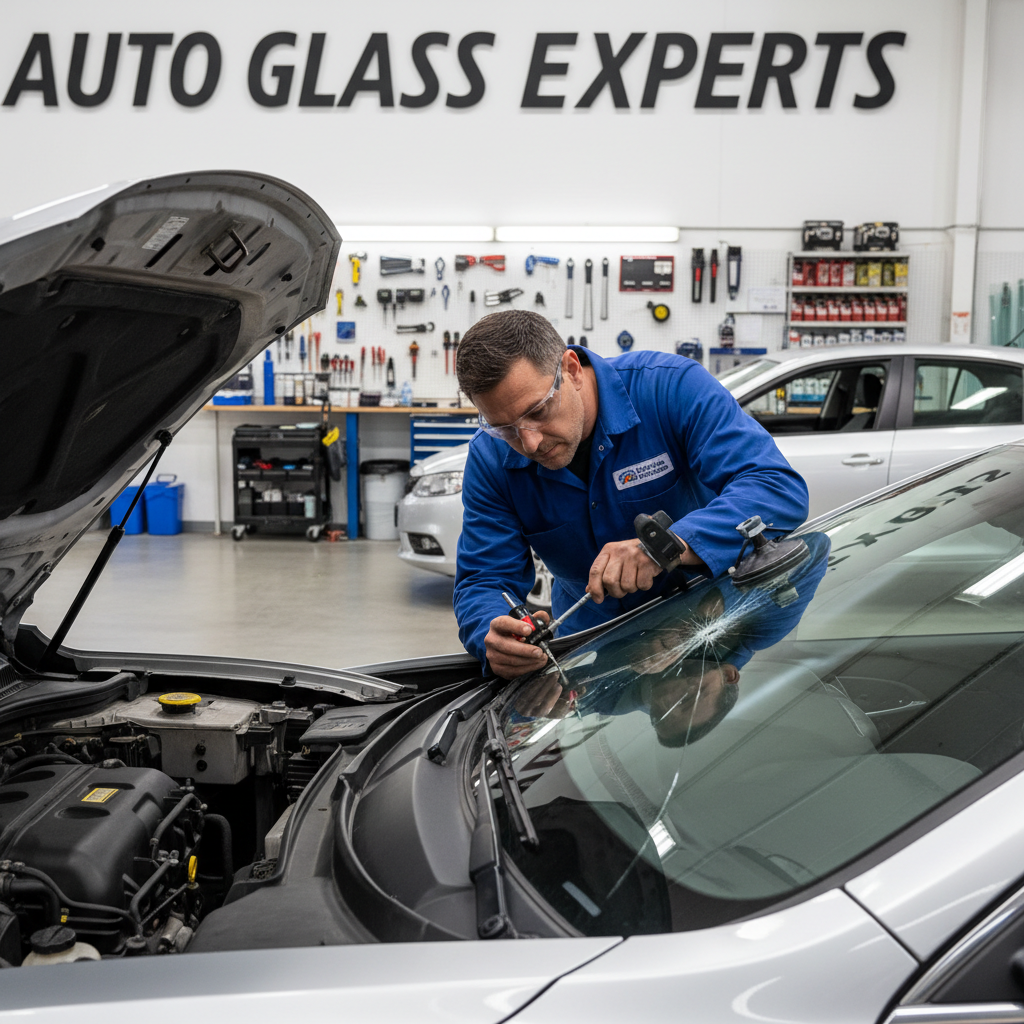
Most drivers wonder if their insurance policy covers the cost of a rock chip repair in Houston. In many cases, if you carry comprehensive insurance, the answer is yes. Insurance providers often waive your deductible for repairs because a $60 resin injection is significantly cheaper for them than a full glass replacement claim later. This allows you to restore your windshield at zero out-of-pocket cost.
Store-bought DIY kits can look like a money-saver, but they often leave air trapped inside the chip, which prevents the resin from bonding completely. That means the repair can fail later, sometimes making the damage worse than if it had been left alone. At A.B.A AUTO SERVICES, we use professional tools that remove air and moisture before filling the chip, so the glass stays strong. If you have already tried a kit and it did not hold, do not worry; we can still help. Contact our shop and we will take a look, and help you sort out any insurance questions along the way.
The good news is that most chips are easy to handle when they are caught early. A quick repair keeps your windshield strong and your wallet happy, and it usually only takes a short visit to put your mind at ease. If you are not sure whether your glass can be saved, we are happy to take a look and walk you through your options. Browse our services or stop by the shop anytime; we will help you make the best choice for your car, with no pressure and no guesswork.