Texas window tint laws require that front side windows allow more than 25% light transmission and have no more than 25% reflectivity. Windshields may only have a tinted strip along the top five inches or a completely clear UV film, while colors like red, blue, and amber are strictly prohibited. Drivers with specific health conditions can obtain a medical exemption by keeping a signed statement from a licensed physician or optometrist in the vehicle.
Navigating the brutal Texas heat often leads Houston drivers to seek the darkest window tint possible, yet this pursuit of comfort frequently results in failed state inspections or costly traffic citations. At A.B.A Auto Services, we understand that balancing aesthetic privacy with legal compliance is a significant challenge for vehicle owners. One minor misunderstanding regarding Visible Light Transmission (VLT) can necessitate a full removal and reapplication of your film. This comprehensive guide clarifies the specific regulations governing your vehicle, including the critical 25 percent VLT rule for front side windows and the strict limitations regarding the windshield AS 1 line. We will also explore the 2019 updates to medical exemptions and explain why 5 percent limo tint often leads to inspection failure. By the end of this article, you will possess the expert knowledge required to keep your vehicle cool, stylish, and fully legal on Texas roads.
Understanding Texas Window Tint Laws and VLT Percentages
Navigating the world of window film begins with understanding a single metric: Visible Light Transmission, or VLT. In the simplest terms, VLT represents the percentage of outside light that can pass through your vehicle's glass after the film is applied. You can think of this like a pair of sunglasses; a lower percentage indicates a darker lens. A 5% tint is significantly darker than a 35% tint because it only allows a tiny fraction of light to enter the cabin.
The primary goal of texas window tint laws is to find a functional middle ground between driver comfort and public safety. While Houston's humidity and intense heat make dark tint an attractive option for cooling the interior, the state imposes strict limits to ensure law enforcement officers can see the occupants inside a vehicle during a traffic stop.
It is important to remember that these percentages are not just suggestions. Because we provide professional auto glass work and serve as an official state inspection station, we see firsthand how illegal tint can complicate a vehicle's registration. If the VLT on your windows drops below the legal threshold, your vehicle will not meet Texas state inspection requirements. If you are unsure if your current film is compliant, you can contact our Houston shop for a quick measurement using a professional tint meter before your next inspection date.
The Magic Number: The 25 Percent VLT Rule for Front Windows
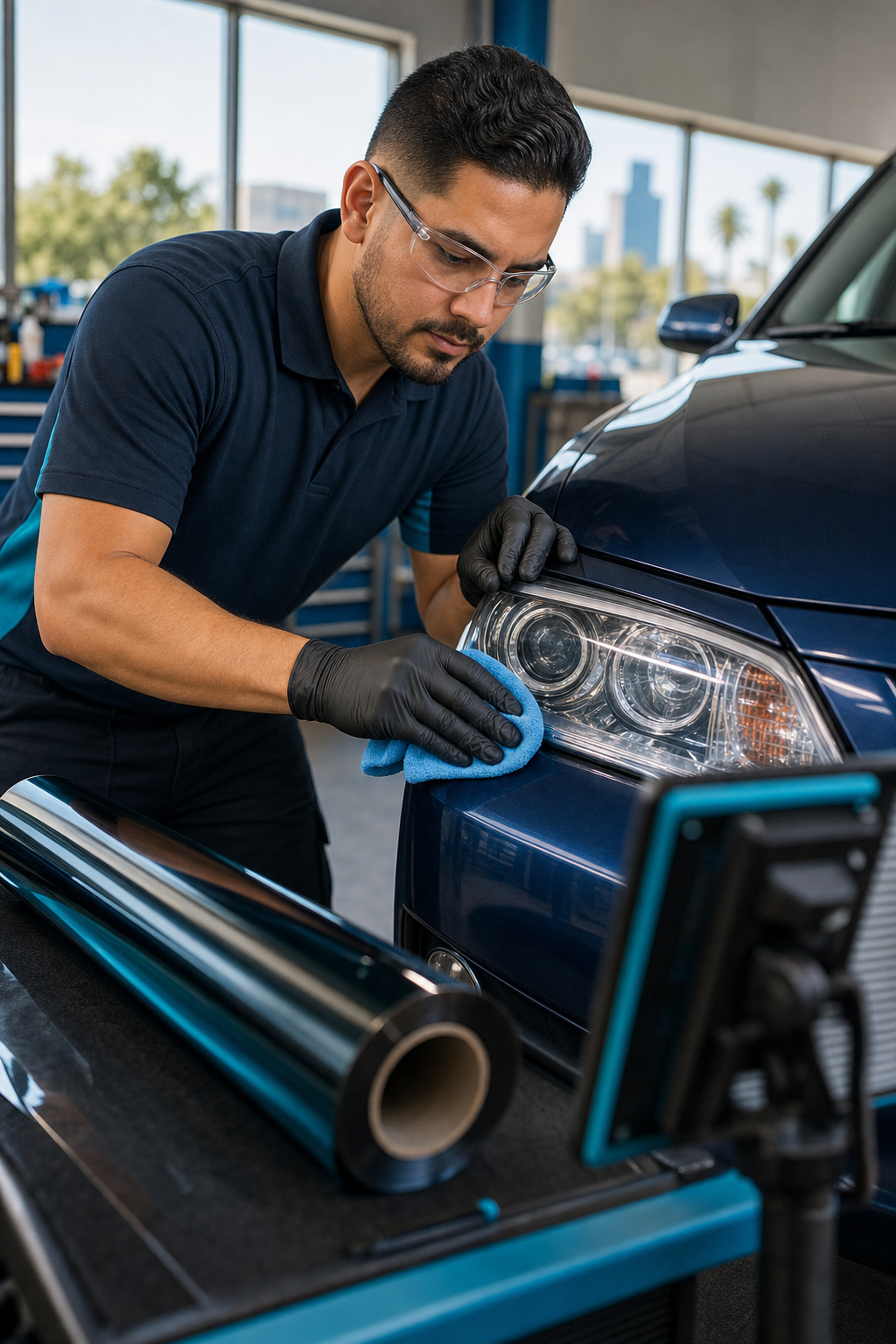
The 25 percent rule is the benchmark for front side windows. These are the windows situated to the immediate left and right of the driver. Under current texas window tint laws, these windows must have a VLT of at least 25 percent. This measurement is cumulative, meaning it accounts for both the factory glass and the aftermarket film applied to it. Many vehicles come with a slight factory tint, so applying a film rated exactly at 25 percent might actually push the total VLT below the legal limit.
Reflectance is another vital factor often overlooked. The law mandates that the tint on front side windows cannot be more than 25 percent reflective. This prevents the glass from acting like a mirror, which could otherwise impair the vision of other drivers on Houston roads. These regulations are specific to the front area to ensure the driver remains visible to law enforcement and has an unobstructed view of side mirrors.
Drivers often notice a distinct difference between the front and back of many vehicles. For the windows behind the driver, the state offers significantly more leniency. While you have the freedom to go darker in the rear, the front side windows remain the primary focus during a safety check. Because we specialize in professional auto glass work, we ensure that every installation adheres to these exact percentages. If you are unsure if your vehicle meets Texas state inspection requirements, you can contact our Houston shop for a professional reading. We use digital meters to provide an accurate percentage, ensuring your vehicle remains legal and safe.
Windshield Tinting and the AS 1 Line
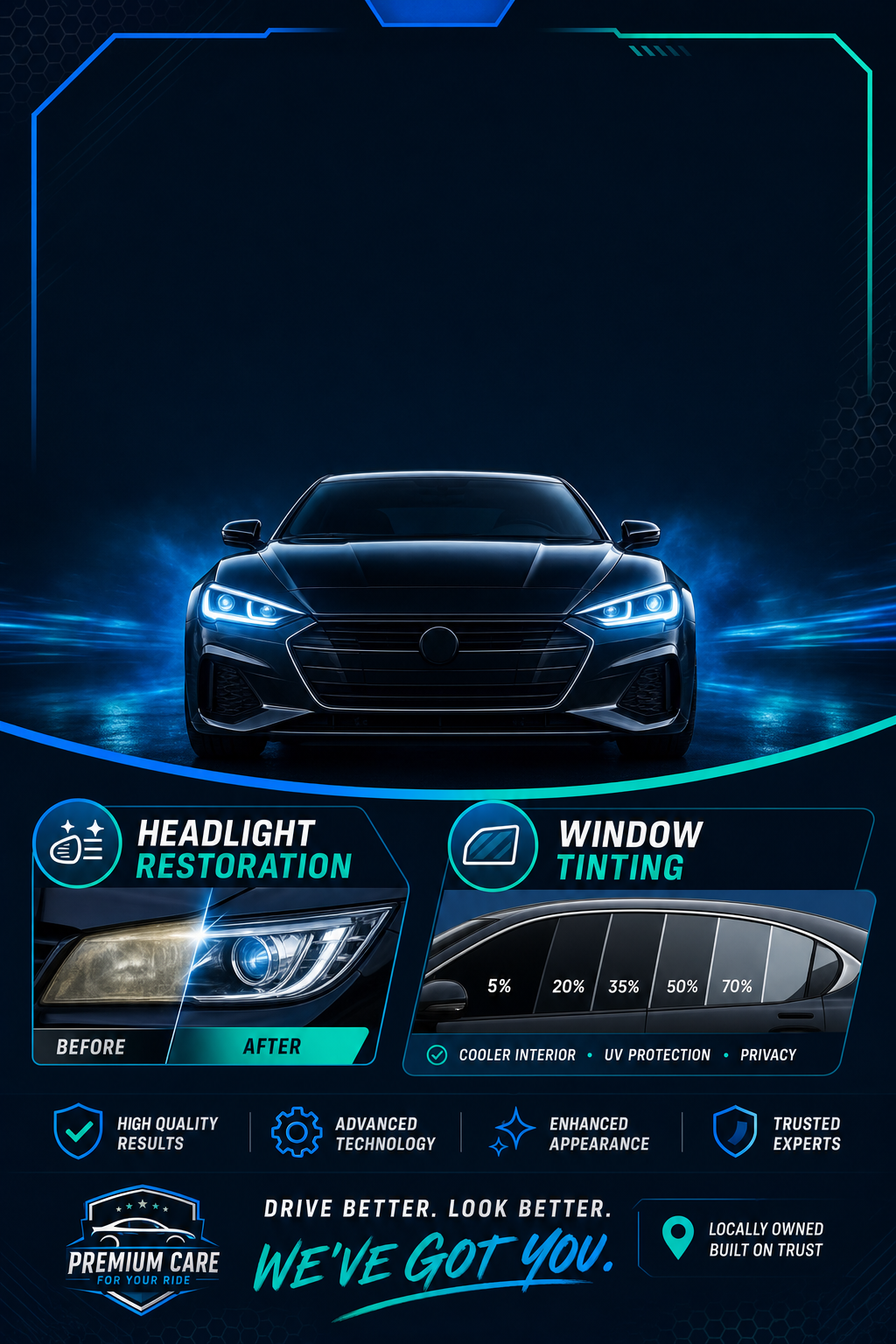
The front windshield is governed by the most restrictive portion of texas window tint laws because it is the primary field of view for the driver. In Texas, you are generally permitted to apply a tinted strip to the top of the glass. This strip cannot extend below the AS 1 line, which is a small mark etched into the glass by the manufacturer. If your windshield lacks this mark, the law allows for a strip covering the top five inches of the glass. This upper strip must still adhere to the 25 percent VLT and 25 percent reflectance standards applied to front side windows.
Crucially, certain colors are completely banned from the windshield. You cannot use red, amber, or blue films. These colors can distort the appearance of traffic signals or mimic emergency vehicle lighting, which creates a safety hazard on Houston streets. Even if the VLT is technically legal, the presence of these prohibited colors will result in a failure during your annual check.
There is a significant provision in the Texas DPS regulations that many drivers overlook. You are permitted to apply a clear, un-tinted UV film over the entire windshield without needing a medical exemption. This is an excellent solution for those seeking to combat the intense Texas sun. It rejects heat and protects your dashboard from cracking without darkening your view or violating Texas state inspection requirements.
At A.B.A AUTO SERVICES, we provide professional auto glass work that ensures these specific standards are met. If you are concerned that your current windshield film might cause an inspection failure, please contact our Houston shop. We can verify the placement of your tint relative to the AS 1 line and ensure your vehicle remains compliant.
Rules for Back Side Windows and Rear Windshields
The regulations for the windows behind the driver are significantly more lenient than those for the front of the vehicle. For most passenger vehicles, including sedans, SUVs, and vans, there are no VLT restrictions on the back side windows. This allows you to choose the darkest film available to maximize privacy and heat rejection for rear passengers without violating any texas window tint laws.
The rear windshield follows a specific rule regarding mirrors. If your vehicle is equipped with side mirrors on both the left and right sides that provide a view of the road for at least 200 feet to the rear, any level of darkness is permitted on the back glass. Since almost every modern vehicle in Houston comes standard with dual side mirrors, most drivers can opt for a very dark tint on the rear window. However, if your vehicle lacks a passenger side mirror, the rear windshield must adhere to the same 25 percent VLT limit as the front side windows.
This regulatory difference explains why many SUVs and minivans have a "split" look, with much darker glass in the rear. When we perform professional auto glass work or verify Texas state inspection requirements at our shop, we confirm the presence of these mirrors before passing a vehicle with dark rear glass. If you are unsure if your specific car or truck meets these standards, contact our Houston shop for a professional assessment.
Texas Medical Tint Exemptions: What Changed in 2019
For some drivers, standard texas window tint laws do not provide enough protection against UV rays or glare due to specific medical conditions like lupus or extreme sunlight sensitivity. A significant change occurred on January 1, 2019, that still causes confusion during vehicle inspections in Houston. The Texas Department of Public Safety (DPS) no longer issues official Window Tint Exemption Certificates. If you are looking for a state issued card or a formal sticker from the DPS, those have been phased out entirely.
Under the current rules, the responsibility lies with the driver to maintain proper documentation. You must carry a written, signed statement from a licensed physician or optometrist. This document must explicitly state that the driver or a regular passenger has a medical condition requiring window tint darker than the 25 percent VLT standard. This statement must remain inside the vehicle at all times so it can be presented to law enforcement during a stop or to an inspector during your annual check.
At A.B.A AUTO SERVICES, we frequently help customers navigate these Texas state inspection requirements when they have a legitimate medical need for darker front windows. When we perform professional auto glass work or a safety inspection, we verify that this documentation is present and valid. If you have questions about how a medical note impacts your vehicle's legal status, contact our Houston shop before your next inspection date. Keeping your paperwork in order is the only way to ensure a passing grade with non standard tint.
Why 5 Percent Limo Tint Often Leads to Inspection Failure
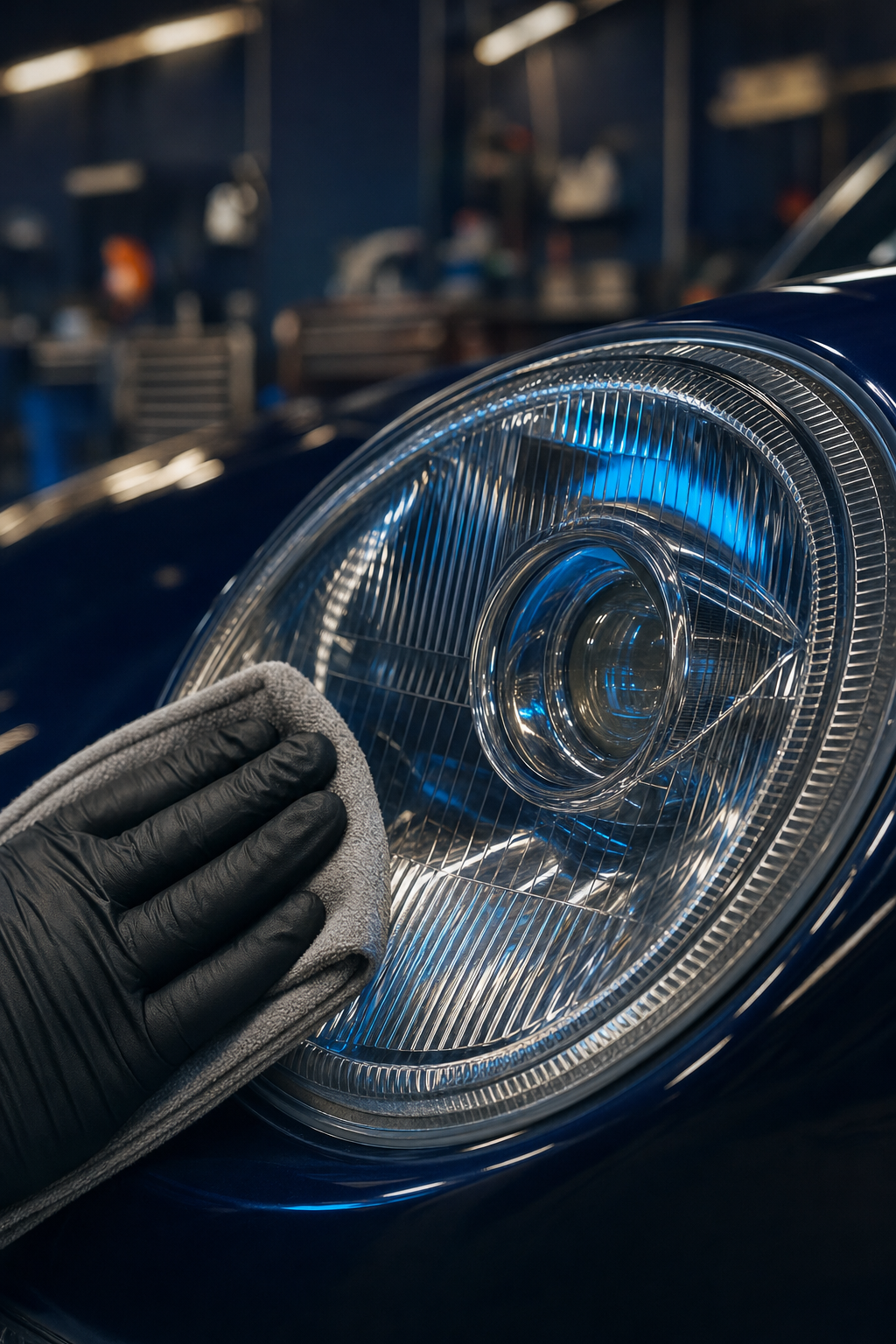
While many drivers are drawn to the privacy and aesthetic of limo tint, which typically sits at a 5 percent VLT, this film is strictly illegal on front side windows under texas window tint laws. At A.B.A AUTO SERVICES, we see this conflict frequently during our daily operations as an official state inspection station. Because a 5 percent tint blocks nearly all visible light, it prevents law enforcement from seeing inside the vehicle, creating a safety risk that the state does not overlook.
When you bring your vehicle to us for your annual safety check, we utilize a professional tint meter to verify your VLT. This device slides over the top of the glass and measures exactly how much light passes through both the film and the glass. If the meter displays any number lower than 25 percent for the front side windows, the vehicle fails to meet Texas state inspection requirements. It is worth noting that even a legal 25 percent film can sometimes fail if the factory glass already had a slight manufacturer tint, pushing the total cumulative VLT into illegal territory.
Ignoring these limits can be a costly mistake. Beyond the frustration of a failed inspection, law enforcement in Houston and the surrounding Harris County area can issue citations for non-compliant windows. These fines often exceed the cost of a standard, legal installation. Furthermore, you may be required to pay for the removal of the illegal film and the re-application of a compliant product. If you are concerned about your current darkness levels, please contact our Houston shop. We provide professional auto glass work and can test your windows beforehand to ensure you are fully compliant with the law.
Common Questions About Texas Tinting Standards
Questions regarding the nuances of film darkness and material quality are common at our shop. Below are the most frequent inquiries we address for Houston drivers.
Is 35% or 20% tint darker? In the context of Visible Light Transmission (VLT), a lower number signifies a darker shade. Therefore, a 20% tint is darker than a 35% tint because it allows less light to pass through the glass. While 20% is frequently used on the rear windows of SUVs and trucks, it is important to remember that it is illegal for front side windows under texas window tint laws, which require a VLT of at least 25%.
Do police in Houston pull drivers over for tint? Yes, law enforcement officers can initiate a traffic stop if they suspect a vehicle's windows are darker than the legal limit. This is especially true if the tint prevents the officer from clearly seeing the occupants inside. Getting a citation for illegal tint often results in a fine and a requirement to remove the non-compliant film before the vehicle can pass its next safety check. Maintaining legal limits is the best way to avoid unnecessary interactions with law enforcement.
Is 25% ceramic tint different from standard dyed film? While both films may have the same 25% VLT to satisfy Texas state inspection requirements, ceramic film is technically superior for the local climate. Standard dyed films primarily provide shade, whereas ceramic films use advanced particles to block a significant amount of infrared heat and UV radiation. This allows for maximum heat rejection without needing to go darker than the law allows.
If you have further questions about your specific vehicle or need professional auto glass work to replace old film, contact our Houston shop for expert assistance. We can verify your current VLT levels and help you stay within the legal boundaries.
Understanding the specific tint regulations in Texas is essential for every Houston driver. Keeping your vehicle within these legal limits ensures your safety on the road and helps you avoid unnecessary fines or inspection failures. While DIY kits exist, achieving a precise level of transparency can be difficult without the right tools. If you want expert help to guarantee your car meets all local standards, we invite you to browse our full range of Services today.