Essential Houston driving safety tips include reducing speeds during rainfall, maintaining a seven second following distance, and avoiding cruise control on slippery roads. Drivers must never bypass flood barricades and should ensure their tires, wipers, and headlights are in top condition for navigating seasonal fog or intense sun glare. Following these precautions helps motorists stay safe during unpredictable weather changes across the Gulf Coast region.
Navigating Houston’s highways during the fall and winter seasons often feels like a test of endurance rather than a simple commute. Between the blinding sun glare reflecting off the concrete during morning rush hour and the sudden downpours that turn feeder roads into hazards, local drivers face a unique set of challenges. At A.B.A. Auto Services, we understand that driver skill is only one part of the safety equation. Your vehicle must be mechanically prepared to respond to these rapidly changing conditions to keep you safe on the 610 Loop or the Gulf Freeway. In this guide, we share practical strategies for managing seasonal visibility issues and flash flood risks. You will also learn why maintaining your windshield, headlights, and wipers is critical for surviving dense fog and unpredictable Texas weather.
The Unique Challenges of Houston Fall and Winter Roads
Houston transitions into the final months of the year with a set of environmental challenges that differ significantly from northern climates. While we rarely contend with heavy snowfall, our winter and fall seasons bring heavy seasonal rain and rapid temperature fluctuations. These shifts often create dense sea fog and hazardous road conditions across the metro area. Navigating corridors like I-10 or Westheimer during these months introduces a specific risk: low-angle sun glare. During peak commuting hours, the sun sits at a height that can completely blind drivers traveling east or west, making visibility a primary concern.
Effective vehicle maintenance serves as the critical foundation for all Houston driving safety tips. At A.B.A AUTO SERVICES, we understand how the combination of sudden downpours and oil-slicked asphalt impacts vehicle control. Ensuring your car is prepared for these shifts is not just about convenience; it is about safety on the 610 Loop and the Grand Parkway. From tire tread depth to clear visibility through your windshield, every component plays a role in how your vehicle responds to Houston’s unpredictable late-year weather. We provide a comprehensive range of automotive services at our Dunlap Street location to help drivers stay prepared for these seasonal shifts.
Navigating Houston Rain and Flash Flood Risks
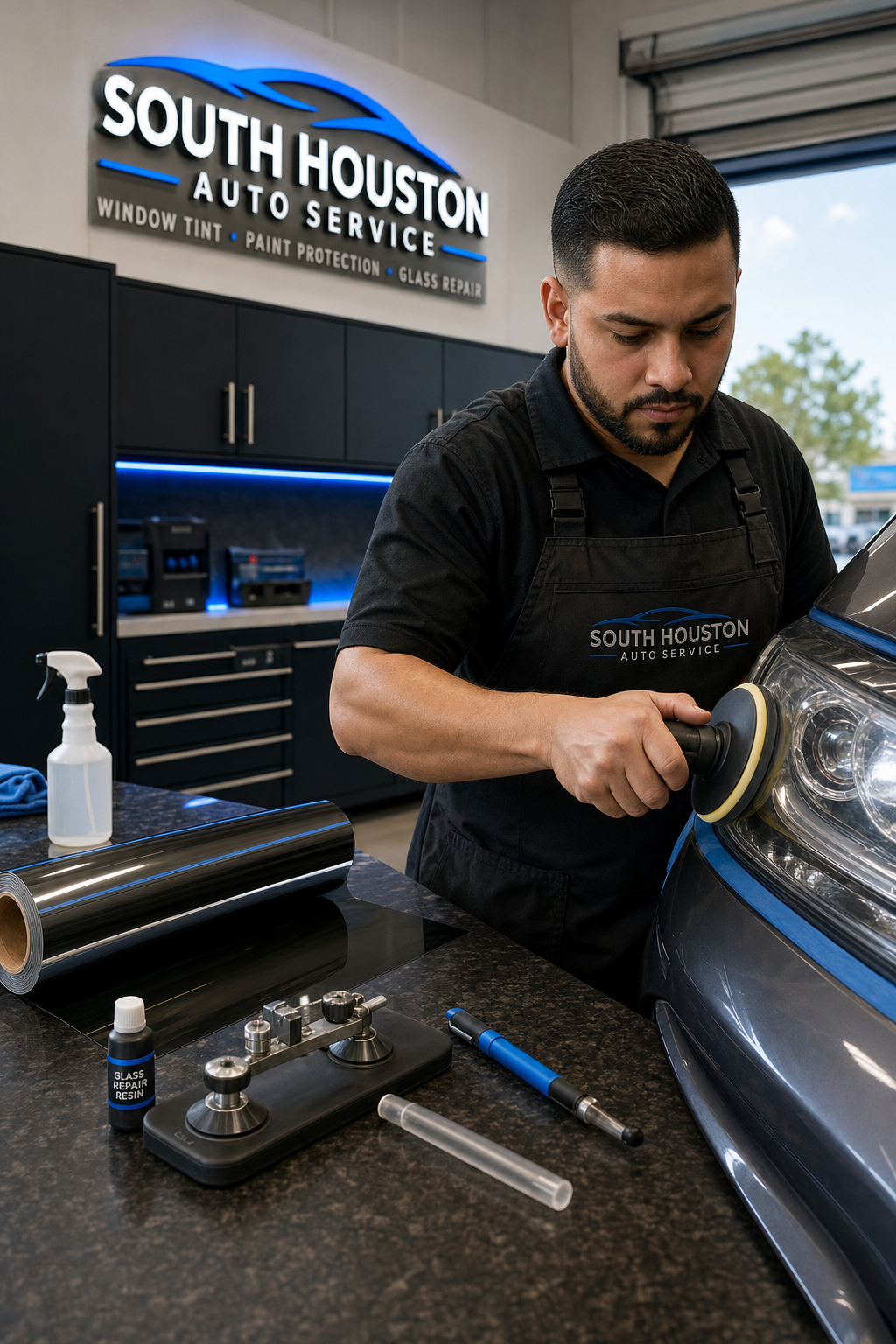
Houston’s flat topography and intricate bayou system create a unique drainage challenge during the transition into fall and winter. When heavy rains hit the Gulf Coast, the soil saturates quickly, forcing excess water into the streets. This environment makes flash flood awareness a critical component of Houston driving safety tips. Because our infrastructure often uses roadways as secondary drainage channels, street flooding can occur in minutes, even miles away from where the heaviest rain fell.
Following the mantra of Turn Around Don't Drown is essential for local survival. Even six inches of water is enough to reach the bottom of most passenger cars, causing a loss of control or stalling the engine. Avoid driving on the feeder roads of I-10 or I-45 during heavy downpours, as these lanes frequently sit at lower elevations than the main freeways and collect runoff rapidly. Furthermore, never bypass official barricades near Buffalo Bayou or the Texas Medical Center. These markers indicate that the road surface is either fully submerged or has been structurally undermined by moving water.
Flood Water Depth | Impact on Vehicle |
|---|---|
6 Inches | Can reach the chassis and cause loss of steering control. |
12 Inches | Can float many vehicles, including some SUVs. |
24 Inches | Can sweep away most vehicles, including heavy trucks. |
Texas asphalt presents a specific hazard during the first thirty minutes of a storm. Because our region often experiences long dry spells between rains, oil, grease, and rubber deposits accumulate on the road surface. When the rain finally arrives, it mixes with these pollutants to create a slick film that is significantly more dangerous than water alone. This causes a hydroplaning effect where tires lose contact with the pavement. If you must pass through shallow standing water, always test your brakes immediately afterward by pressing them gently at a low speed to dry the friction surfaces. If your vehicle stalls in deep water, do not attempt to restart it, as this can pull water into the engine and cause permanent mechanical failure. If you are planning a trip to higher ground, a state park pass vehicle prep can ensure your car is ready for the journey.
How to Handle Low Sun Glare on Houston Freeways
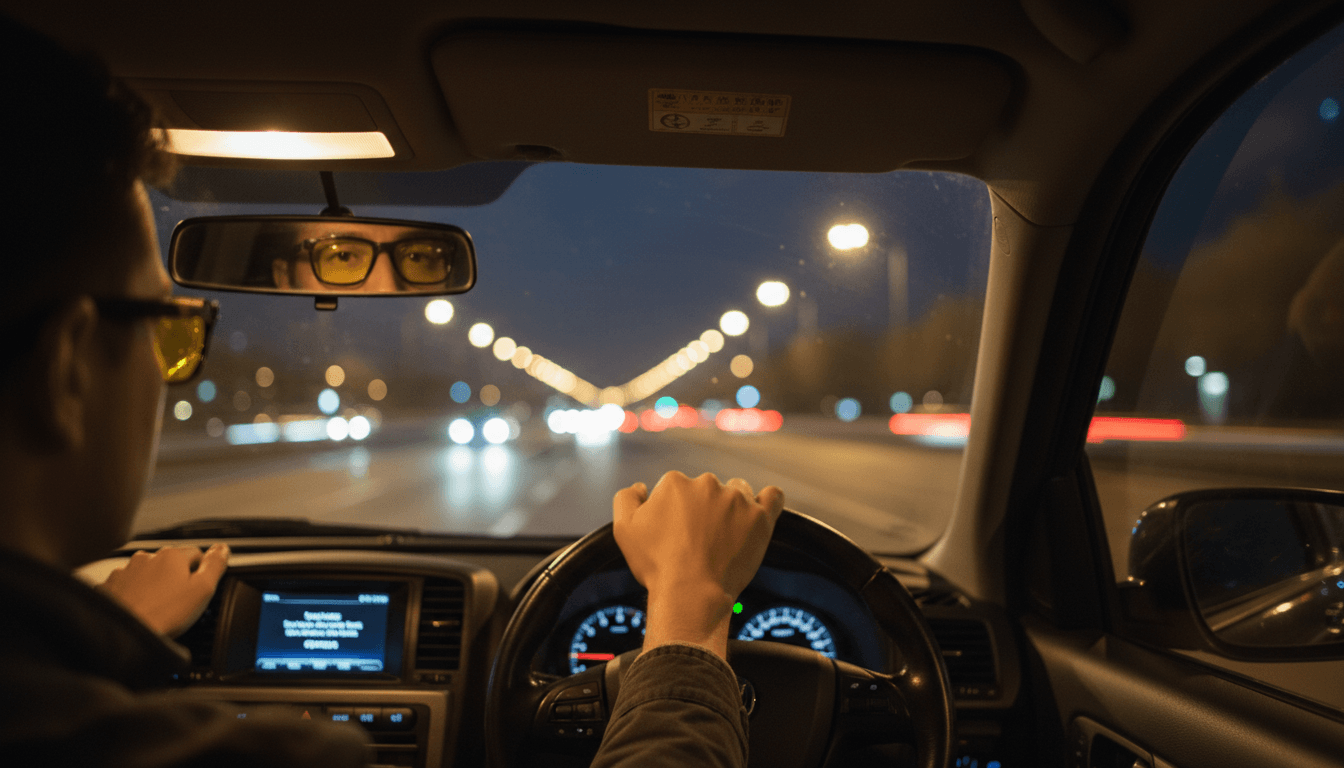
Low sun glare driving is a frequent search topic for local commuters as the seasons shift. During the fall and winter months, the Earth's tilt places the sun at a much lower angle relative to the horizon during the morning and evening rush. For drivers on major east-west arteries like I-10, Highway 290, or Westheimer, this creates a blinding effect that can obscure brake lights, pedestrians, and traffic signals.
To maintain visibility, start with a spotless windshield. While most people clean the exterior, the interior glass often carries an oily film caused by plastic off-gassing and cabin air circulation. This film catches the low-angle light and scatters it across your field of vision, significantly amplifying glare. Using a dedicated glass cleaner and a microfiber towel on the inside surface is a fundamental part of practical Houston driving safety tips.
Investment in high-quality gear also makes a difference. Polarized sunglasses are superior to standard tinted lenses because they specifically block the horizontal light waves that cause refractive glare. Additionally, verify that your sun visors move freely and stay in place; a sagging or broken visor is a legitimate safety hazard during a bright sunset on the 610 Loop.
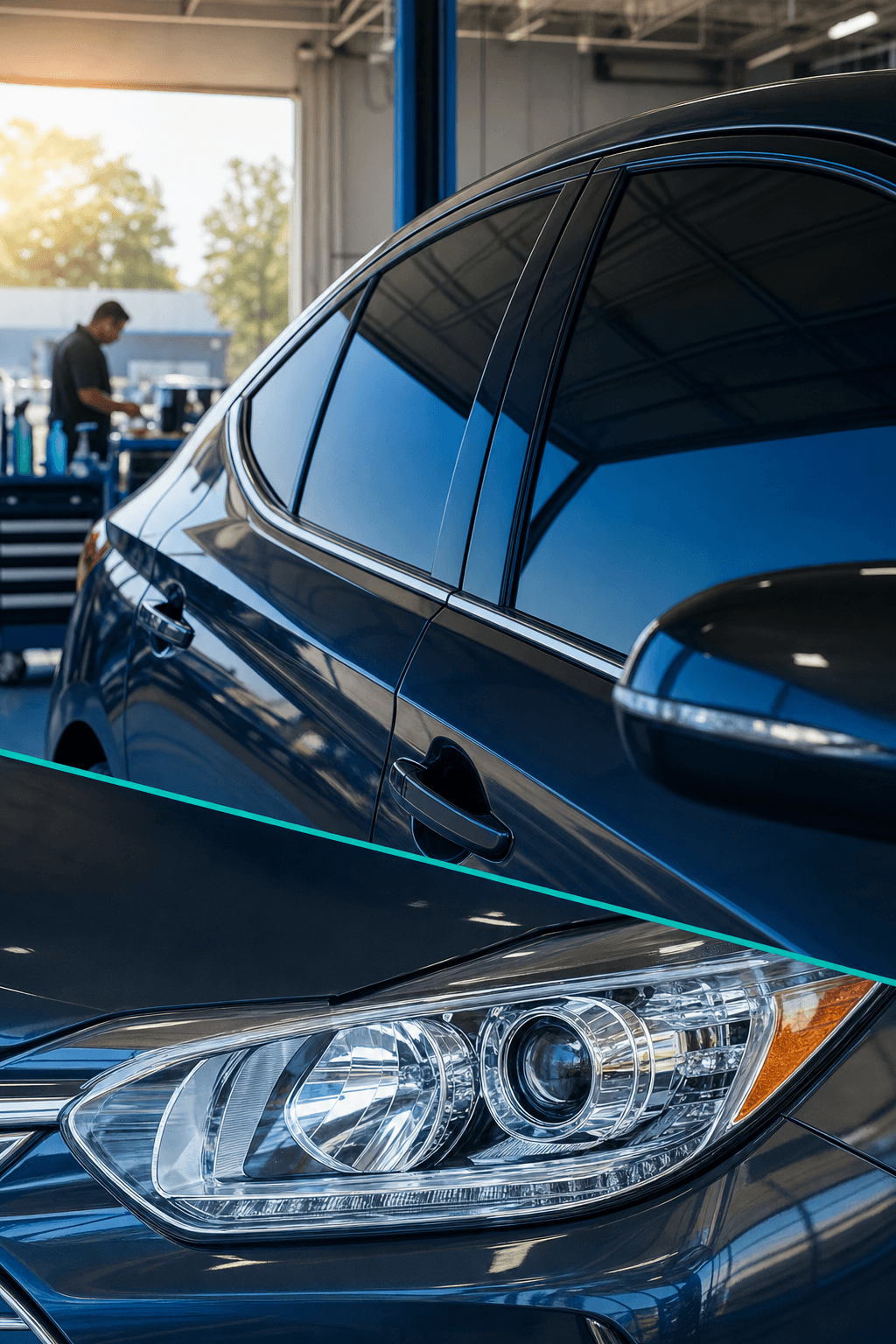
Professional window tinting offers a long-term solution for managing these conditions. High-quality ceramic or carbon films are designed to filter out the harshness of the sun and reduce overall light transmission without compromising night visibility. This reduction in brightness helps minimize eye strain and prevents the squinting fatigue common during long winter commutes. If your current glass has imperfections that catch the light, you can contact A.B.A AUTO SERVICES to discuss repair options or professional tinting to improve your daily driving experience.
Driving Safely Through Dense Gulf Coast Fog
Houston’s proximity to the Gulf of Mexico introduces a specific meteorological hazard known as sea fog. This occurs when warm, moist air moves over cooler surfaces, creating a thick blanket that can reduce visibility to near zero on major routes like the Beltway 8 or the Grand Parkway. Managing this environment requires a technical understanding of how light interacts with moisture.
The most critical rule for navigating dense fog is to use low-beam headlights only. High beams are counterproductive in these conditions; the intense light reflects off the individual water droplets in the air and bounces back toward the driver, creating a blinding glare that further obscures the road. If your vehicle is equipped with dedicated fog lights, use them in conjunction with low beams, as they are mounted lower on the chassis to illuminate the pavement beneath the thickest part of the fog bank.
Adjusting your speed and spacing is the next pillar of effective Houston driving safety tips. Under normal conditions, a three-second following distance is sufficient. However, when visibility is compromised, you should increase that gap to at least six or eight seconds. This provides the necessary reaction time to account for the lack of depth perception and the visual distortion caused by the haze.
If the fog becomes so dense that you cannot safely see the road markings, pull completely off the roadway onto a shoulder or into a parking lot. Once stopped, turn off all exterior lights except for your hazard flashers. Leaving your tail lights on can trick other motorists into thinking you are still in a moving lane of traffic, which often leads to them following your lights and colliding with your stationary vehicle from behind. For those ensuring their vehicle is ready for such unpredictable commutes, reviewing a state park pass vehicle prep guide can provide additional insights into long-distance safety.
The Visibility Trifecta: Windshields, Headlights, and Wipers
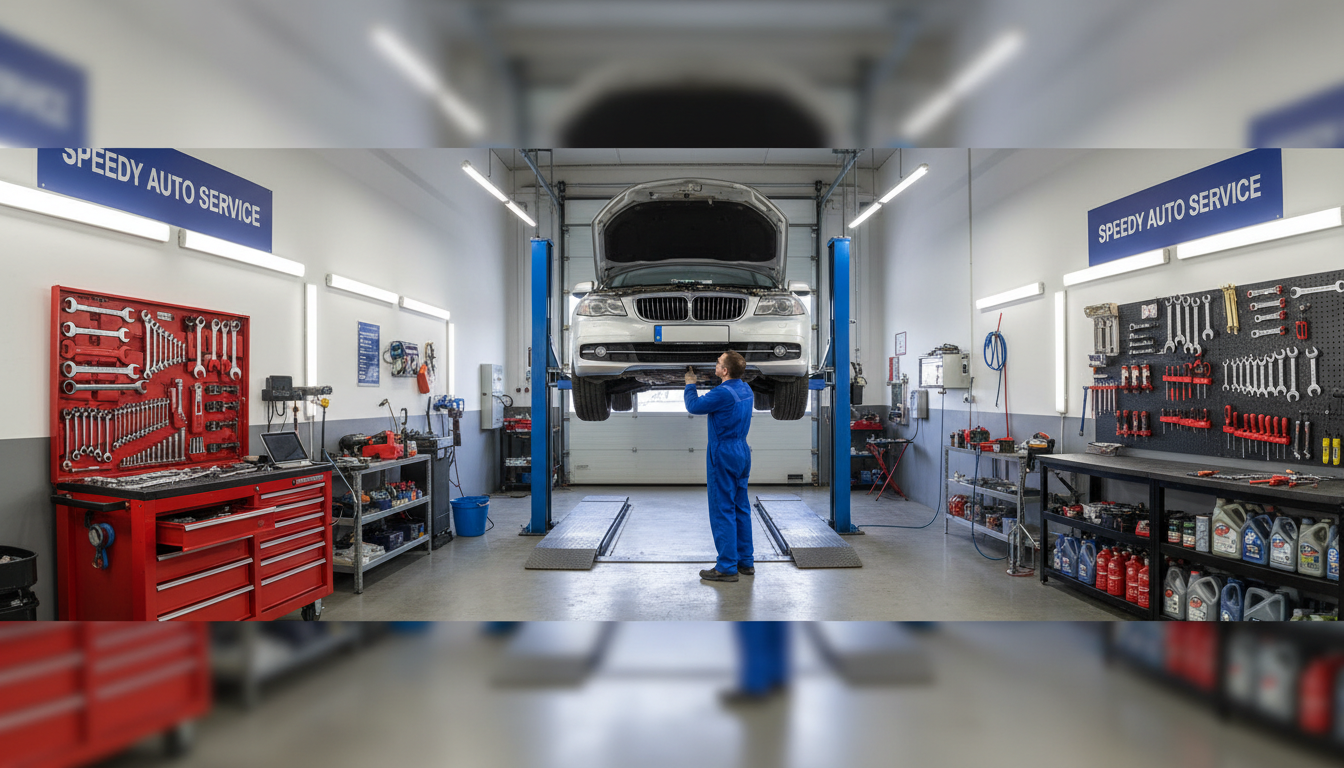
While navigating fog requires technical driving technique, your vehicle’s physical hardware must be prepared to handle the load. Windshield integrity is a primary concern on Houston’s construction-heavy routes, such as the ongoing developments along the Grand Parkway or I-45. Small rock chips, which may seem like minor nuisances during a dry August, become critical hazards during a late-year cold snap. The temperature differential between a heated car interior and the sudden drop in outdoor Texas air causes the glass to expand and contract at different rates. This stress often forces a small, stable chip to spider-web across the glass instantly, compromising the structural integrity of the windshield and obstructing your line of sight.
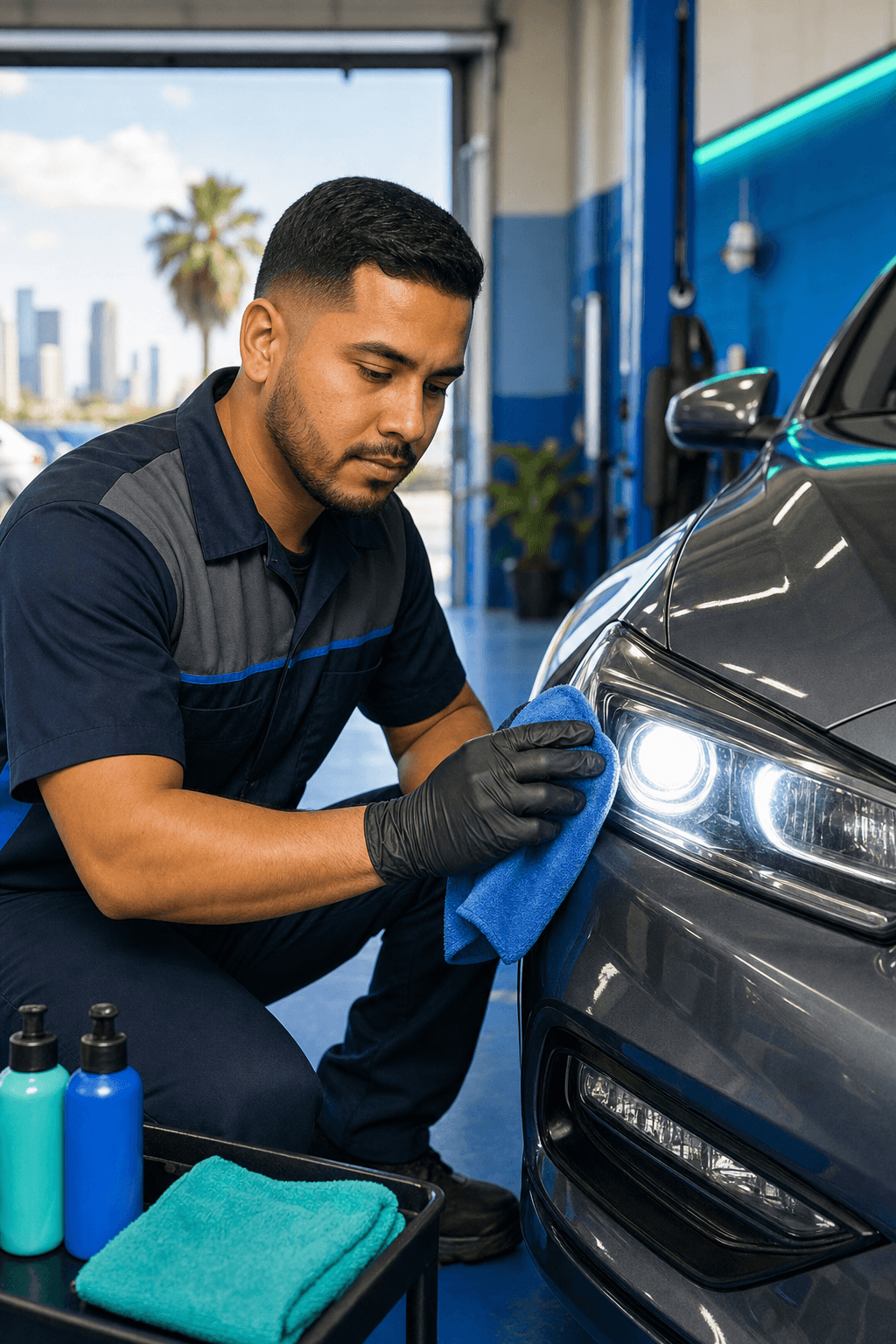
Headlight clarity is equally vital, particularly when rain and fog already scatter light beams. Years of exposure to the intense Houston sun cause plastic lenses to oxidize, resulting in a cloudy, yellowed surface. This oxidation is not merely a cosmetic flaw; it can reduce light output by as much as 80 percent. On a rainy night near the Medical Center, this lack of illumination significantly reduces your ability to spot pedestrians or road debris. Restoring these lenses is one of the most practical Houston driving safety tips for maintaining high-speed reaction times on unlit stretches of the Beltway.
Visibility Component | Common Houston Issue | Safety Impact |
|---|---|---|
Windshield | Rock chips from construction | Rapid cracking during temperature shifts |
Headlights | UV oxidation and yellowing | Up to 80% reduction in night visibility |
Wiper Blades | Heat-induced dry rot | Streaking and blurring during heavy rain |
Finally, the transition into fall is the time to inspect wiper blades for dry rot. The brutal humidity and triple-digit temperatures of a Houston summer are notoriously hard on rubber components. Blades that haven't been used for weeks may become brittle, leading to streaking or chattering that leaves a blurry film across the glass during a downpour. At A.B.A AUTO SERVICES, we focus on these details through our comprehensive range of automotive services to ensure your vehicle is equipped for the season. If you notice a growing chip or dimming headlights, contact A.B.A AUTO SERVICES at our Dunlap Street location to restore your visibility before the next storm system moves in.
Winter Weather Prep: Is Your Vehicle Inspection Ready?
Transitioning from visibility to mechanical reliability is the final step in mastering Houston driving safety tips. In Harris County, staying current on state and commercial emission inspections is a legal requirement, but the process also serves as a vital health check for your vehicle before the first seasonal freeze. While Houston rarely faces prolonged ice, a single night of 30 degree weather can be the breaking point for an aging battery. Cold temperatures slow down the chemical reactions inside the battery, which might prevent your engine from turning over when you are headed to a morning shift.
Tire pressure also fluctuates significantly during these shifts. For every 10 degree drop in temperature, tires can lose about one pound per square inch (PSI) of pressure. Under-inflated tires decrease fuel efficiency and, more importantly, compromise your handling during sudden maneuvers on the 610 Loop. Ensuring your vehicle is prepared involves more than just a passing grade from the state; it is about ensuring your car responds predictably during a highway emergency. If your inspection is due or you are worried about your car’s cold-weather resilience, you can contact A.B.A AUTO SERVICES at our Dunlap Street location. Our comprehensive range of automotive services ensures that your vehicle is not just compliant, but truly roadworthy. For those planning longer trips this season, a state park pass vehicle prep can provide the extra layer of security needed for Texas winter travel.